
You love your kids more than coffee… and yet some days you feel one tantrum away from turning into the Hulk. You wonder, “Why am I so mad? I’m not a monster.” You’re not. Anger often signals a deeper need waving a neon sign. Let’s decode that sign and give you tools that actually help, not just “take a bubble bath” fluff.
First, You’re Not Broken: Anger Is Data
Anger doesn’t mean you’re a bad mom. It means your brain and body flagged a boundary crossed, a need ignored, or a stress level maxed. Think of anger like an email alert: annoying, but informative. The goal isn’t to delete anger; it’s to read it and respond.
What Anger Tries To Tell You
- Something feels unfair (mental load, anyone?).
- Something feels unsafe (chaos triggers, overstimulation).
- Something feels unmet (sleep, support, time alone).
The Real Culprits Behind “Mom Rage”

You’re not randomly irritable. Common drivers stack up like a Jenga tower.
Sleep Debt And Sensory Overload
Chronic broken sleep fries your impulse control. Add constant noise, toys underfoot, sticky hands, and your nervous system hits DEFCON 2 fast.
The Invisible Mental Load
You manage schedules, snacks, socks, and everyone’s feelings. That executive-function marathon burns energy. When no one sees it, resentment grows, and anger rides shotgun.
Unclear Boundaries (Or Boundaries You Don’t Enforce)
If you say “I need 10 minutes” but give in after 30 seconds, your brain learns you’re not protected. Anger spikes to create a stronger wall next time.
Old Patterns And Perfection Pressure
Maybe you grew up with yelling or silent treatment. Maybe you believe “good moms never lose it.” Unrealistic standards + real life = boom.
Catch The Early Warning Signs
You don’t go from calm to volcano in one second. Micro-signals show up first. Spot them and you can pivot.
- Body: clenched jaw, tight shoulders, racing heart, heat in the face.
- Mind: all-or-nothing thoughts (“They never listen,” “I can’t do this”).
- Behavior: rushing, slamming drawers, talking louder, sarcasm spiking.
30-Second Interrupts That Work
- Ground your senses: name 5 things you see, 4 feel, 3 hear, 2 smell, 1 taste.
- Square breathing: in 4, hold 4, out 4, hold 4. Two rounds.
- Temperature reset: splash cold water on wrists or hold an ice cube.
FYI, these hacks don’t fix the root. They buy you just enough calm to choose your next move.
Set Boundaries You’ll Actually Keep
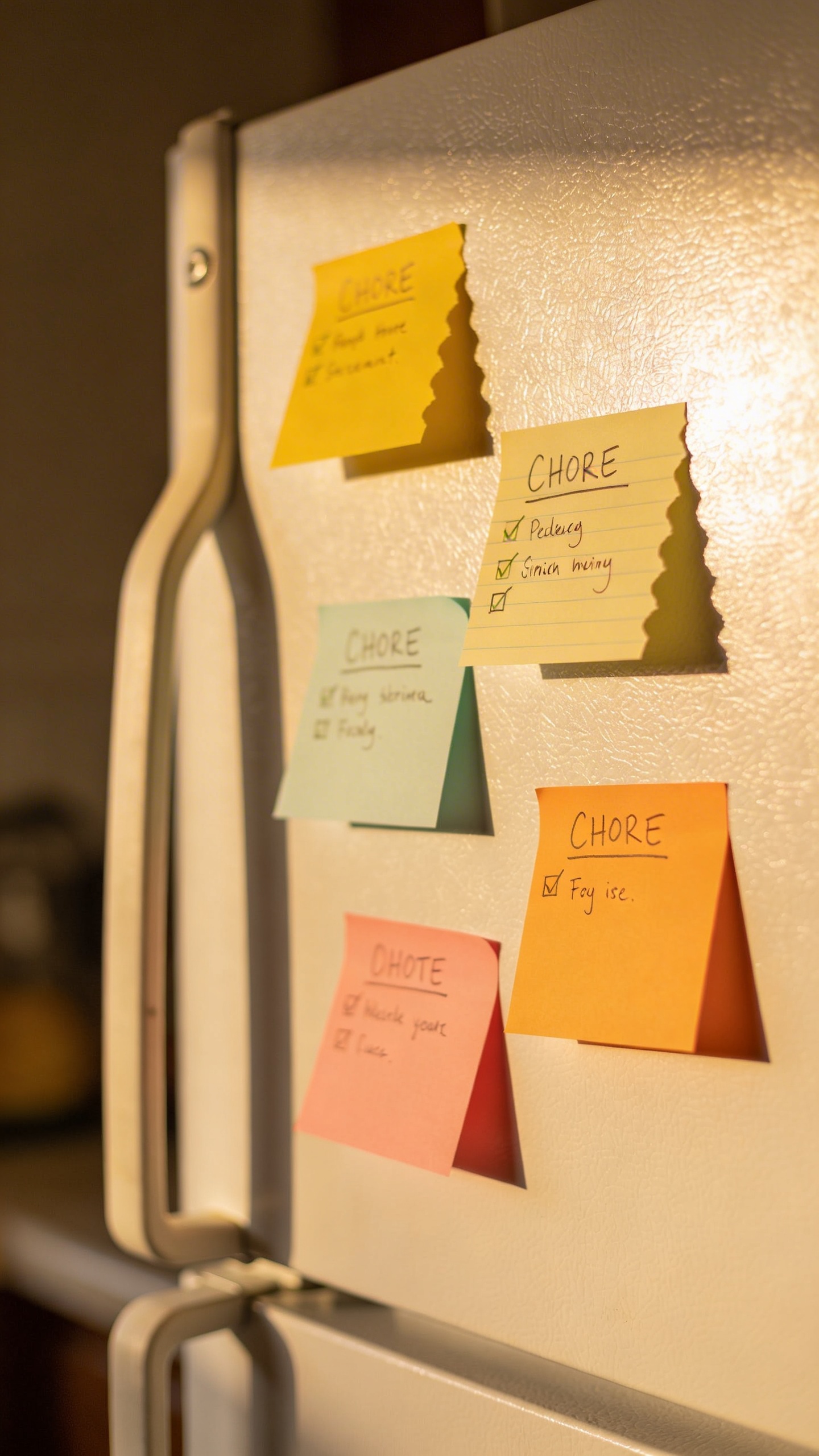
Boundaries protect relationships. Threats wreck them. The difference? Calm, clear limits with follow-through.
The Boundary Formula
State the limit, give a choice, follow through.
- Example: “Toys stay in the living room. If they go in the hallway, they take a break on the shelf.”
- With partner: “I cook. You clean. If dishes sit past 9 p.m., we order takeout tomorrow instead of me cooking.”
Keep it boring. No lectures. Boundaries that feel routine stick.
Reduce The Load (Yes, For Real)
You can’t deep-breathe your way out of a 200% workload. Change the system, not just your mood.
Make The Invisible Visible
Write the weekly household list. Not just tasks—ownership. Who anticipates, decides, and follows through? Shift from “helping” to “owning.”
Automate, Delegate, Delete
- Automate: subscriptions for diapers, groceries, birthday reminders.
- Delegate: assign full domains (you handle laundry start-to-finish, I handle meals).
- Delete: drop non-essentials. If Friday crafts drain you, skip them. Permission granted.
IMO, the most loving thing you can do for your family is design a life you can stand.
Repair After You Lose It

You yelled. It happens. Perfection isn’t the goal—repair is.
How To Repair In Three Steps
- Own it: “I yelled. That was scary. I’m sorry.” No “but you…”
- Describe your feeling: “I felt overwhelmed and needed quiet.”
- Plan together: “Next time, I’ll take a pause. If I put my hand up, we whisper.”
Kids learn emotional regulation by watching you repair. That’s a win.
Regulate Daily, Not Just In Emergencies
Think of your nervous system like a phone battery. If you never charge it, every notification feels like an emergency.
- Micro-breaks: two 5-minute resets beat one 60-minute fantasy spa day.
- Movement: walk after dinner, stretch while kids bath, 10 squats during cartoons.
- Sun + water + protein: mood basics. Seriously underrated.
- Noise boundaries: earplugs at home, quiet hour, car silence rule.
- Connection: one friend who gets it > ten perfect Instagram moms.
IMO, the boring habits work better than the fancy hacks.
When To Ask For More Help

If anger shows up daily, scares you, or leads to thoughts of harming yourself or anyone else, reach out now. Call a trusted person, your primary care provider, or a therapist. Postpartum mood and anxiety disorders can include rage, not just sadness. Help exists and it works.
FAQ
Is “mom rage” normal or a red flag?
Both. Occasional anger is normal. If it feels constant, explosive, or out of character, treat it as information and get support. You deserve relief, not just endurance.
How do I stop yelling when my kid won’t listen?
Lower your words, lower your body, lower the stimulation. Whisper, make eye contact at their level, and give one clear choice. If you feel yourself boiling, pause the interaction: “I’m taking a minute so I can speak kindly.”
What if my partner doesn’t see the mental load?
Make it visible. Share a list of owned domains and the decisions inside each. Ask for transfers of full ownership, not piecemeal “help.” Set a weekly 15-minute logistics meeting with clear check-ins.
Can anger hurt my kid long-term?
Chronic, scary anger without repair can impact kids. But consistent repair and healthier patterns buffer that risk. Model naming feelings, calming, and making amends. That teaches resilience.
Do I need therapy or just better routines?
Try routines first if your anger is occasional. If you feel stuck, triggered by old stuff, or your reactions feel too big for the moment, therapy can fast-track progress. Think of it as coaching for your nervous system.
Bottom Line
Anger doesn’t make you a bad mom. It makes you a human with limits, needs, and a very loud notification system. Decode the message, adjust the load, set real boundaries, and repair when you miss. You don’t need to be calmer by magic—you need a life that supports calm. FYI, that’s completely possible.
Discover free printable activities, coloring pages, and learning fun at FreeKidsHub.com — perfect for screen-free quiet time and cozy days at home.
Explore More & Elevate Your Glow
Step into your feminine energy, build confidence, and reconnect with your inner glow in the Glow Life category.
For real, supportive, and emotional content around motherhood, daily balance, and growth, explore our Motherhood category.
Create calm routines, slow down, and take care of yourself with intention inside the Self-Care category.
Discover soft luxury living, daily rituals, and feminine lifestyle inspiration in the Lifestyle category.
Build deeper emotional connections and create more balanced, meaningful relationships in the Relationships category.
Elevate your beauty, confidence, and feminine glow in the Beauty category.