
You catch your reflection and think, “Wait… is that me?” You’re not vain or losing it—your brain just runs a weird visual software update every time you look in a mirror. The result: a face that sometimes feels familiar and sometimes totally off. Let’s decode why your reflection doesn’t always match the person you feel like inside—and how to make peace with it.
Your Brain Prefers Your “Mental Selfie,” Not Your Reflection
Your brain carries a running highlight reel of your face—your mental self-image. It updates slowly and edits heavily. It favors how you think you look on your best day, from your favorite angle, under flattering light.
So when the mirror shows you something less curated—puffy mornings, harsh bathroom lights, a new pimple—your mental selfie says, “Nope.” That mismatch triggers the weird dissonance. You’re not seeing a stranger. You’re seeing two versions of you trying to coexist.
Why The Mental Image Always Wins (Until It Doesn’t)
– You store what you see most often. That includes selfies, which you stage and retake.
– Your memory smooths imperfections. Kind of generous, right?
– Mood filters your perception. Bad day? You judge harder. Great hair day? Suddenly you’re a movie star.
The Mirror Lies—But So Does The Camera
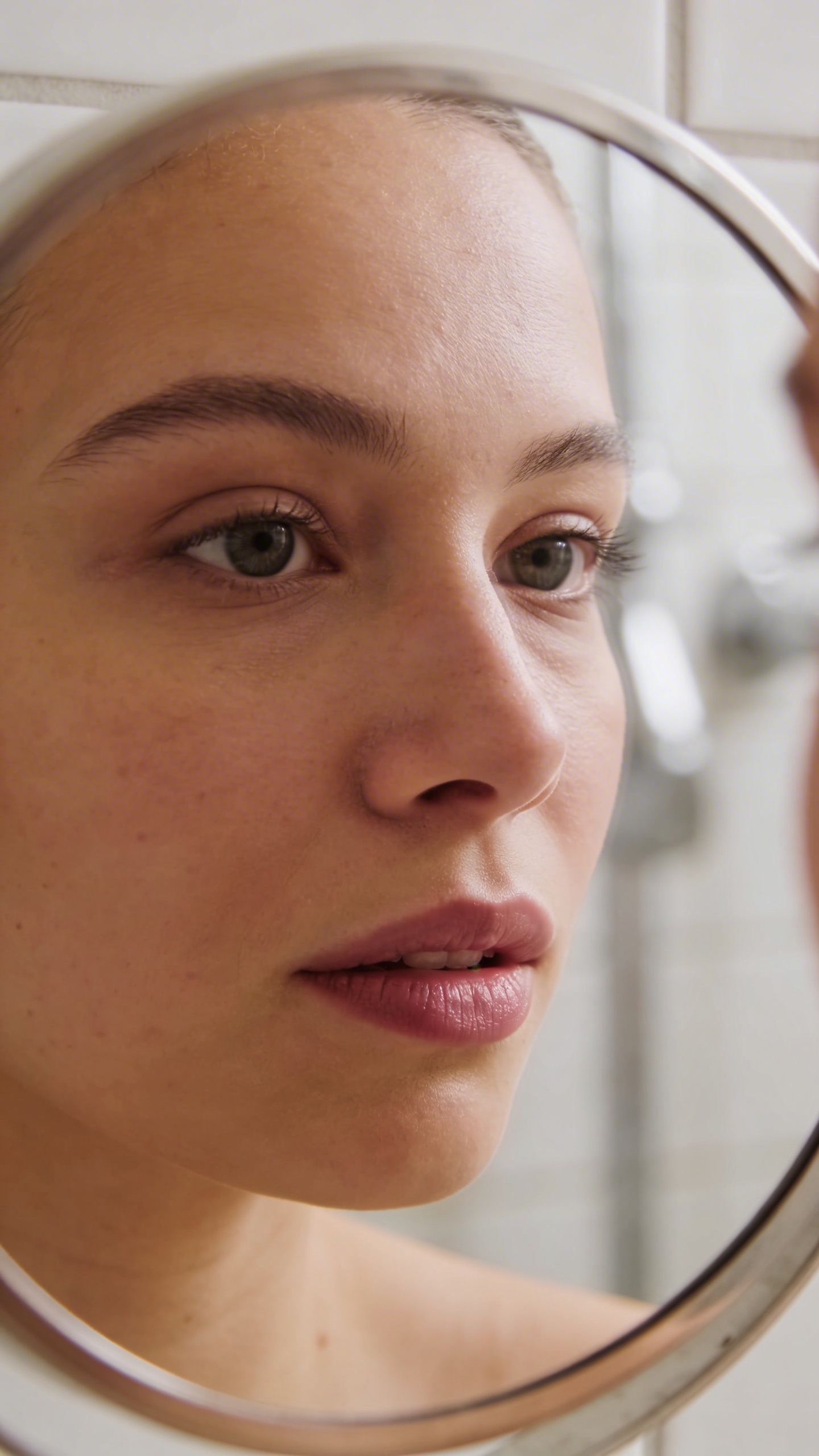
Mirrors show a reversed image. Cameras don’t (unless you use a mirrored selfie). You’ve looked at your flipped face more often, so photos can look “wrong.” That’s the mere-exposure effect: we prefer what we see most, even if it’s technically less accurate.
Lighting throws another wrench in there. Overhead lights carve shadows that age you 10 years. Warm light softens everything. Blue light makes you look tired. The same face can look wildly different under different setups.
Common Culprits That Distort Your Look
- Front cameras: Wide lenses stretch features, especially near the edges.
- Angles: Low angles enlarge chins; high angles flatten features.
- Distance: Closer than 18 inches? Your nose gets a VIP zoom.
- Background contrast: Busy backgrounds make your face look less defined.
Identity Shifts Make Your Face Feel “Off”
Your reflection reflects more than your features—it mirrors your identity. New job, breakup, illness, parenthood, aging—any big life chapter can make your face feel unfamiliar. You changed inside, and your brain expects your face to match that vibe.
This isn’t woo-woo. Your brain ties appearance to roles and emotions. When that internal script updates, your old face can feel like a costume. Give it time. Your look catches up to your life, and your brain recalibrates.
When Mood Warps The Mirror
– Anxiety: You scan for flaws like it’s your job.
– Depression: You ignore positives and magnify negatives.
– Stress + Sleep Debt: Puffy eyes, dull skin, and a hair mutiny—then harsher self-judgment.
FYI: A rested brain judges more fairly than a frazzled one.
Face Perception Runs On Shortcuts (And They Glitch)
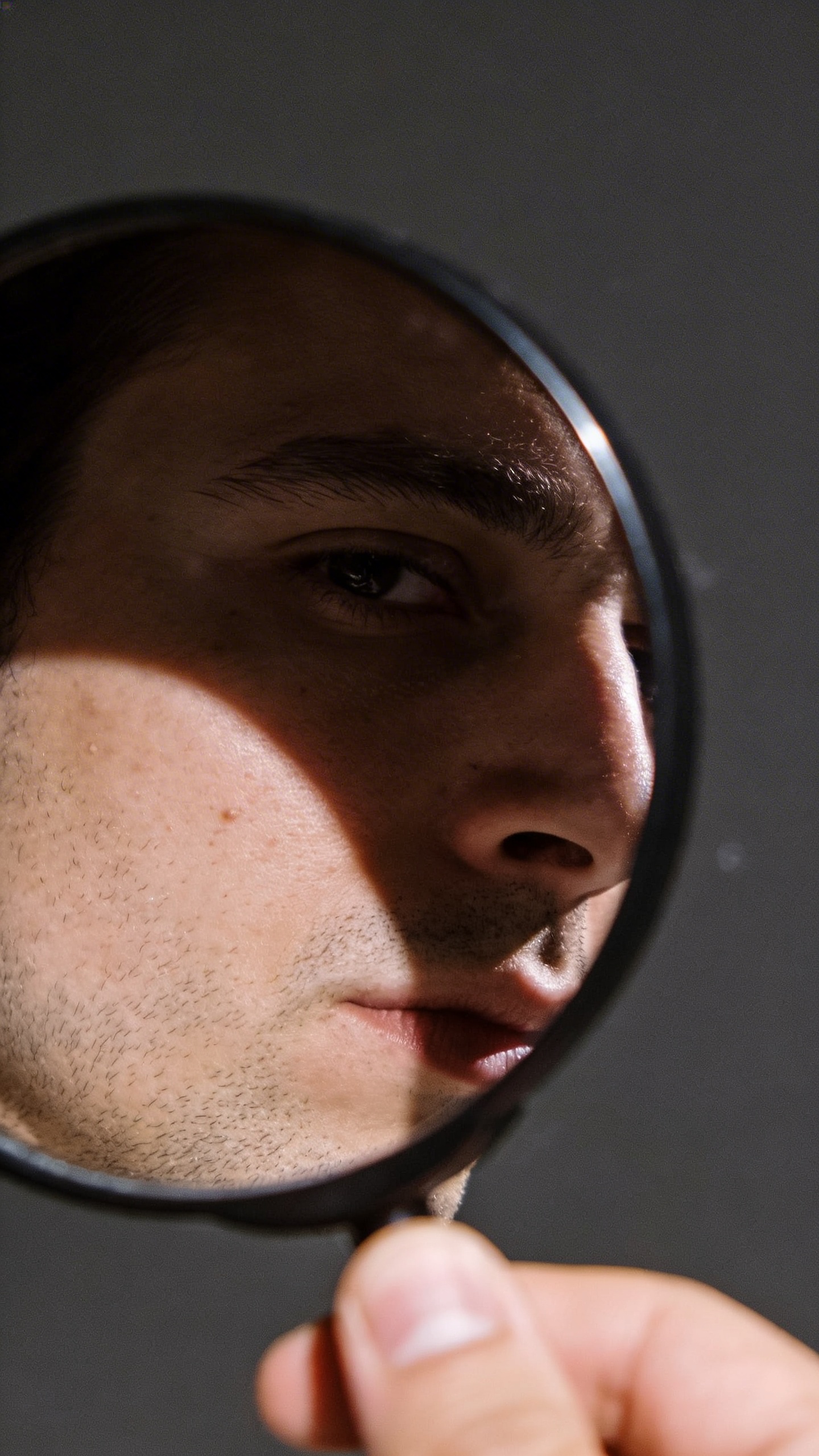
Your visual system takes shortcuts to recognize faces fast. It relies on proportions (eye spacing, nose length), global shape, and contrast. Tiny changes—new glasses, a different eyebrow shape, a few pounds up or down—can scramble those shortcuts just enough to feel wrong.
That’s also why you sometimes don’t recognize yourself in candid photos. Your brain didn’t get its usual “you” cues, so it treats you like a semi-stranger. It’s not that you look bad; it’s that your recognition algorithm got surprised.
Why Aging Feels Sudden (Even When It’s Not)
– Daily exposure masks gradual shifts. You miss the slow changes.
– Then one photo under brutal lighting hits like a plot twist.
– Your brain updates in chunks, not daily—so it feels sudden. Annoying, but normal.
Practical Fixes: Make Peace With Your Reflection
You can’t reprogram biology, but you can hack the inputs. Try these low-effort wins:
- Standardize your mirror. Same light, same angle, same time of day. Consistency reduces weirdness.
- Use front camera mirroring sparingly. Get used to your non-mirrored face too. That’s how others see you.
- Back up for photos. 3–4 feet away reduces lens distortion. Use a timer and a stable surface.
- Neutral lighting. Natural window light, facing the window. Overhead lights = instant villain arc.
- Micro-exposures. Look at quick snaps daily for a week. Your brain adapts fast with repetition.
- Watch your self-talk. Spot a “flaw?” Name two neutral facts (eye color, curl pattern). It rewires judgment patterns, IMO.
When It’s More Than A Quirk
If mirror-time spirals into hours, or appearance distress crushes your day, talk to a pro. Body dysmorphic disorder (BDD) involves obsessive checking or avoiding mirrors, camouflaging, and severe anxiety. Evidence-based therapies (CBT, ERP) help a lot. You deserve peace, not a daily boss fight with your reflection.
Culture, Filters, And The “Ideal Face” Problem
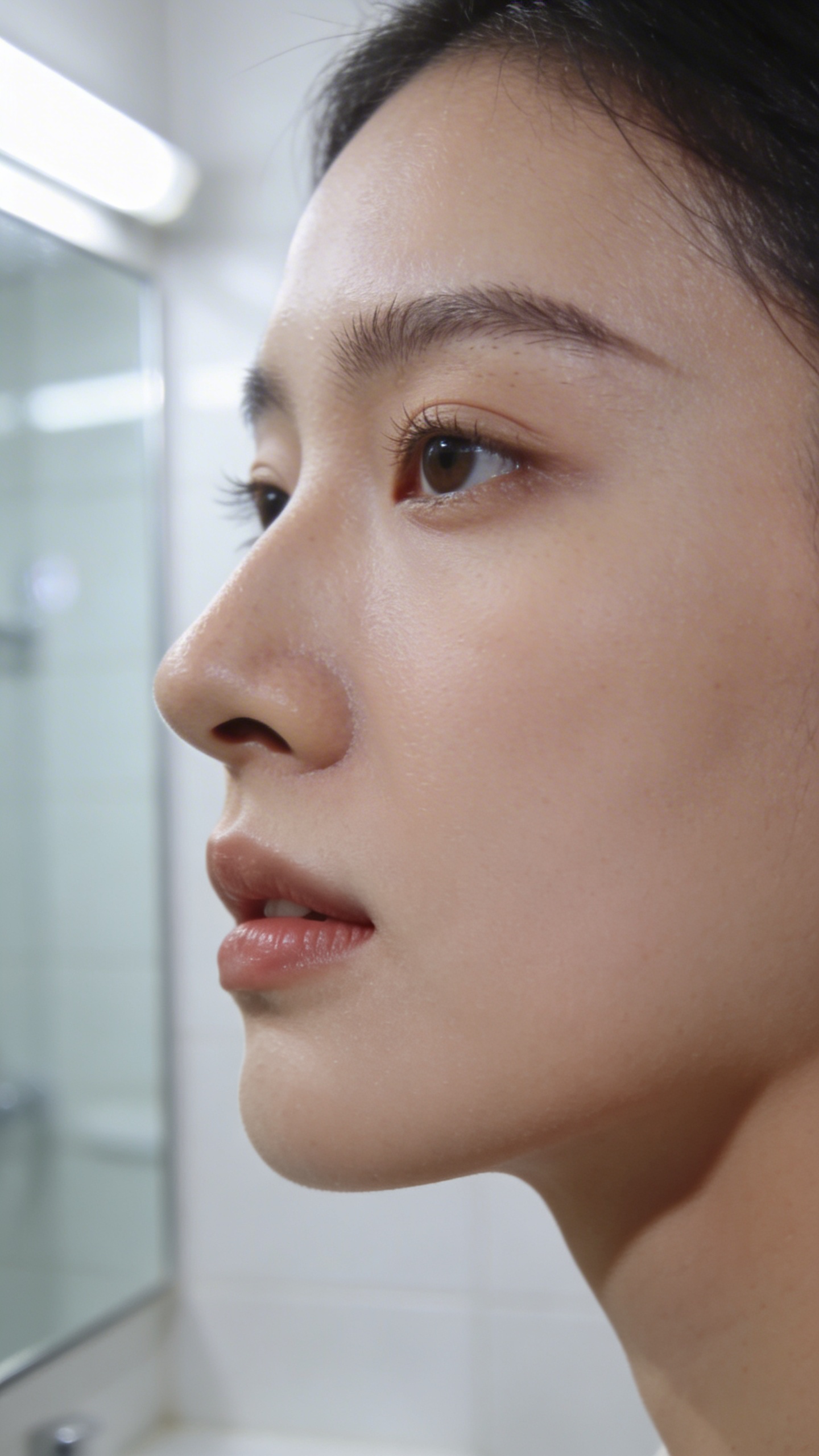
We don’t evaluate our faces in a vacuum. Beauty filters shrink noses, blur pores, and lift eyes—then call that “normal.” Your real face can’t compete with airbrushed avatars, so your mirror feels “wrong.”
Reminder you didn’t ask for but need: Pores and texture = skin doing its literal job. Also, symmetry gets overhyped. Perfectly symmetrical faces look uncanny. Your quirks create character, and character photographs better than perfection.
Social Comparison Detox
– Curate your feed. Follow creators who show unfiltered skin and diverse features.
– Limit before/after traps. They train your brain to hunt for “defects.”
– Post a no-filter selfie sometimes. Exposure therapy, but cuter.
FAQ
Why do I recognize myself in some mirrors but not others?
Different mirrors change size, lighting, and angle. Some even warp slightly. Your brain expects your usual setup, so a new mirror feels like a new face. Standardize where you can, and give yourself a few exposures to adapt.
Why do I hate photos of myself even when others say I look good?
You prefer your mirrored face due to the mere-exposure effect. Photos also freeze expressions mid-blink or mid-sentence, which looks odd. Other people see you in motion daily, so they experience a more flattering “average” of your expressions.
Is it normal to feel shocked by my reflection sometimes?
Yes. Sleep changes, stress, hormones, or even a haircut can trigger that “who is she/he/they?” moment. It usually passes once your brain updates your mental selfie.
How long does it take to feel comfortable with a new look?
Usually a few days to a couple of weeks. Repeated exposure speeds it up. Take quick, consistent photos and glance at them daily. Your brain adapts through familiarity, not perfection.
Can lighting really make that big a difference?
Absolutely. Soft, frontal light reduces shadows and texture; harsh overhead light amplifies every line. Think golden hour vs. office bathroom. Same face, wildly different read.
Should I avoid mirrors if they stress me out?
Short term, less checking can help. Long term, gentle, time-limited exposure works better. Set a timer, use kind language, and step away. If stress stays high, a therapist can guide you with structured strategies, FYI.
The Takeaway
If you don’t recognize yourself sometimes, it’s not vanity—it’s neuroscience plus lighting and a dash of culture. Your brain clings to a comfy, curated version of you and resists updates. Meet it halfway: control the variables you can, ditch the filter pressure, and let familiarity do the heavy lifting. You’re not seeing a stranger—you’re seeing a dynamic, evolving you. And IMO, that’s way more interesting than any perfectly symmetrical clone.
Explore More & Elevate Your Glow
Step into your feminine energy, build confidence, and reconnect with your inner glow in the Glow Life category.
For real, supportive, and emotional content around motherhood, daily balance, and growth, explore our Motherhood category.
Create calm routines, slow down, and take care of yourself with intention inside the Self-Care category.
Discover soft luxury living, daily rituals, and feminine lifestyle inspiration in the Lifestyle category.
Build deeper emotional connections and create more balanced, meaningful relationships in the Relationships category.
Elevate your beauty, confidence, and feminine glow in the Beauty category.