
You juggle snack options, school forms, screen-time rules, and whether socks count as “shoes” for toddlers. By 3 p.m., your brain feels like a phone at 2%—begging for low power mode. You’re not “bad at adulting”; your decision-making battery is fried. Let’s decode decision fatigue, name what’s draining you, and build a plan that saves your brain cells for the stuff you love.
What Is Decision Fatigue, Really?

Decision fatigue happens when constant choices drain your mental energy, making even tiny decisions feel impossible. Your brain has a limited daily “decision budget.” If you burn it on micro-choices—What’s for lunch? Which sippy cup? Do we have enough diapers?—you end up tired, snappy, and indecisive by dinner.
Result? You default to easy choices, procrastinate, or spiral into “I don’t care, you pick.” Totally normal. Not a moral failure.
Why Moms Get Hit Harder
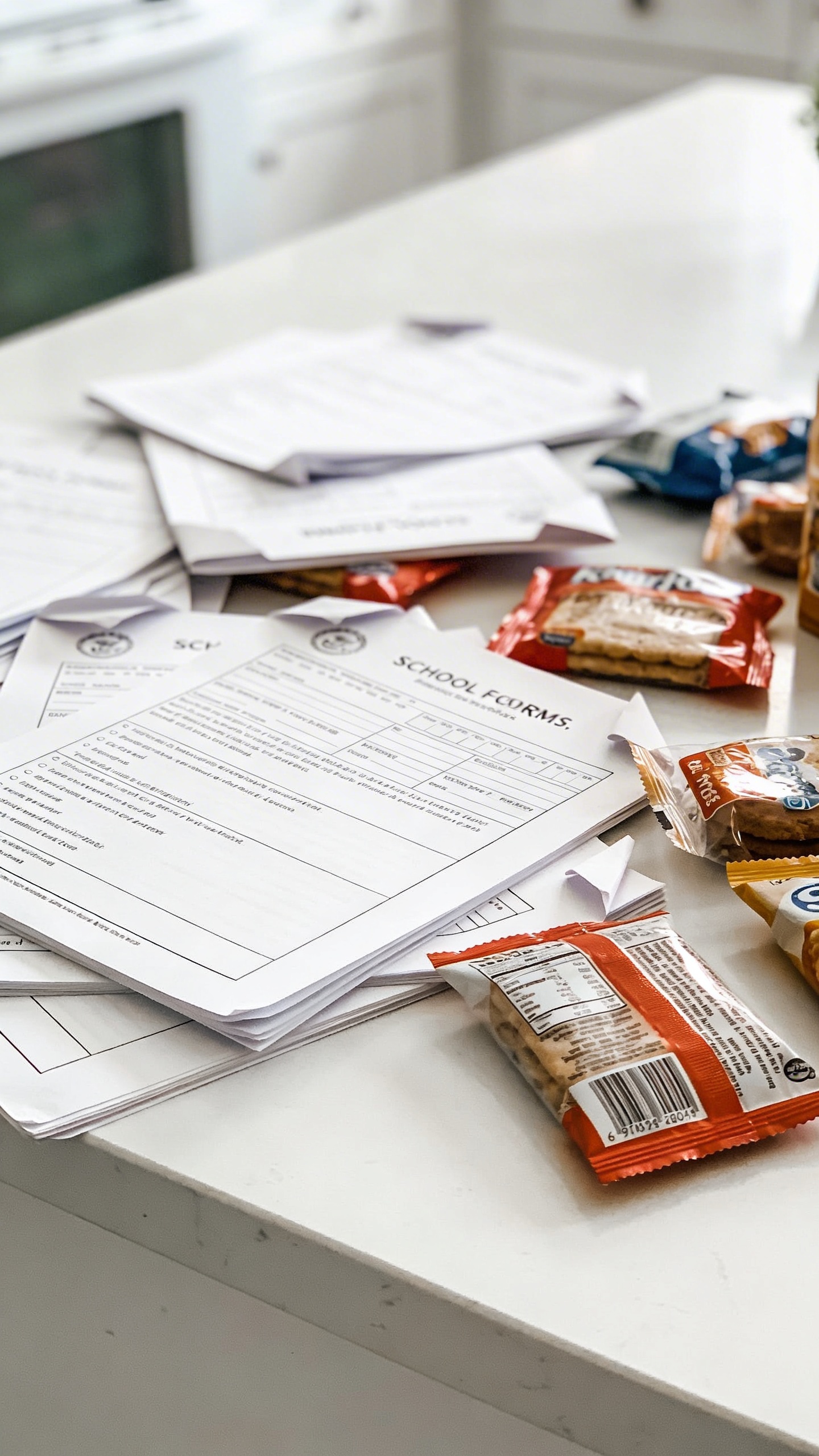
Moms carry a hidden workload called the mental load: planning, anticipating needs, remembering everyone’s Everything. It’s not just doing tasks—it’s tracking them, prioritizing them, and delegating them.
Add social pressure to “do it right,” and boom—your brain runs a 47-tab browser with autoplay videos. That’s before you even think about your own needs.
Everyday Decision Landmines
- Meal planning trap: What’s healthy? What will kids actually eat? What do we have?
- Logistics: Pickups, drop-offs, dentist reminders, teacher emails. All the admin.
- Micro-choices: Which pajamas? Which show? Blue plate or green plate? (Yes, it matters.)
- Emotional decisions: Boundaries, consequences, and how to not raise a tiny dictator.
How Decision Fatigue Shows Up (Spoiler: You’re Not Lazy)

When your brain is spent, you:
- Procrastinate simple tasks that used to take minutes.
- Overthink small choices and freeze on big ones.
- Default to the easiest option (hello, cereal for dinner).
- Get irritable at normal kid chaos because your buffer disappeared.
FYI: This doesn’t mean you lack willpower. It means your brain did too much unpaid overtime.
Quick Wins That Slash Your Daily Decisions
You don’t need a personality transplant. You need fewer choices and smarter defaults.
1) Pre-Decide Once, Use Often
Create reusable decisions so you stop reinventing the wheel.
- Theme nights: Tacos Tue, Pasta Thu, Leftovers Fri. Decide the category, not the dish.
- Uniform dressing: Same leggings/tee combo. Different colors, zero thinking.
- Standard orders: Save your grocery cart and reorder. Modify 10%, not 100%.
2) Put Routine on Autopilot
Strong routines = fewer choices.
- Morning script: Wake, coffee, kids dressed, bags out the door. Same order, daily.
- Nightly reset: 10-minute tidy, lunches prepped, outfits laid out. Tomorrow-you will send a thank-you note.
- Default meals: Three “always okay” breakfasts and lunches. Rotate, don’t debate.
3) Shrink Choice Overload
Fewer options = less brain burn.
- Kid choices: Offer two options only. “Red shirt or dinosaur shirt?”
- Toys: Rotate bins weekly. Less mess, less choosing.
- Apps & shows: Curate 5-6 “approved” picks. Avoid infinite scrolling.
4) Time-Box Your Decisions
Set a small timer for medium decisions. When it dings, pick and move on.
- 5 minutes: Which birthday gift? Choose, order, done.
- 10 minutes: Meal plan for three dinners. Good enough beats gourmet.
IMO, perfection is the most expensive subscription you don’t need.
5) Outsource Your Brain (Seriously)
You are the CEO, not the entire staff.
- Share the load: Make a visible family task board. Assign, don’t hint.
- Automate: Subscriptions for diapers, pet food, vitamins. Calendar reminders for recurring stuff.
- Templates: Save email responses for school and RSVP. Copy, tweak, send.
Energy Habits That Refill Your Decision Tank
You can’t pour from an empty cup, but you can refill it strategically.
Morning: Front-Load the Hard Stuff
Do one important decision early when willpower is fresh. Example: book the appointment, finalize camp dates. Then you coast.
Midday: Micro-Reset
Two minutes of breathing, a walk to the mailbox, or sunlight on your face resets your nervous system. Sounds fluffy; works like Wi‑Fi reboot.
Evening: Close the Tabs
Write a 1-minute brain dump:
- Three tasks for tomorrow
- One thing you’re postponing on purpose
- One tiny win you’re proud of
Your brain relaxes when it knows “future you” has a plan.
When You Have Zero Bandwidth: The Rescue Menu
Create a list you grab when your brain says “nope.” Pick one from each:
- Meals: Rotisserie chicken + bag salad; eggs + toast; soup + grilled cheese.
- House: 10-minute tidy; one laundry load; clear the sink only.
- Kids: 20-minute outside play; bath + books; dance party reset.
- You: Shower; stretch; text a friend; go to bed early.
Call it your “Bare Minimum Plan.” It counts. It keeps life moving.
Mindset Shifts That Actually Stick
– “Good enough” is strategic, not sloppy. You’re trading tiny perfection for major sanity.
– Visible equals shared. Put tasks on a board so others can own them.
– Say no faster. Every yes costs future decisions. Protect your bandwidth.
– Batch the boring. Bills, forms, emails—same slot each week, done and dusted.
– Celebrate constraints. Fewer choices = more peace. That’s not boring; that’s brilliant.
FAQ
Is decision fatigue the same as burnout?
They overlap but they’re not twins. Decision fatigue is short-term depletion from too many choices. Burnout is a longer, deeper state of emotional exhaustion, cynicism, and reduced effectiveness. Reduce decisions, and you’ll often feel better fast—but if you still feel empty, consider bigger support changes.
How do I get my partner to share the mental load?
Make the invisible visible. List recurring tasks, assign owners (not “helpers”), and define “done.” Example: “School lunches” means planning, shopping, prepping, and packing—start to finish. Meet weekly for 10 minutes to rebalance. FYI: Reminding someone constantly means the system needs tweaking, not that you should nag harder.
What if routines make me feel trapped?
Design “flex routines.” Lock the order, not the exact items. Breakfast always happens after getting dressed, but the food rotates. Or use routines on weekdays and go rogue on weekends. Structure should serve you, not cage you.
Does better sleep really help decision fatigue?
Yes, embarrassingly so. Sleep restores executive function—the part of your brain that decides stuff. If sleep is chaotic, protect one or two nights a week for earlier bedtime. Small wins, big payoff.
How many choices should I give my kid?
Two. Always two. It gives them autonomy without opening a 15-argument portal. “Blue cup or green cup?” is bliss compared to “What do you want to drink?”
What’s one change I can make today?
Create a 3-dinner default rotation and save the grocery list in your app. Reuse weekly. That single move frees dozens of micro-decisions every month.
Conclusion
You’re not flaky or dramatic—you’re managing a nonstop decision avalanche. Trim choices, pre-decide the boring stuff, and share the mental load like a boss. Protect your brain budget for the moments that matter—the belly laughs, the bedtime snuggles, and, IMO, the quiet cup of coffee you don’t microwave three times. You’ve got this—and now you’ve got a plan.
Discover free printable activities, coloring pages, and learning fun at FreeKidsHub.com — perfect for screen-free quiet time and cozy days at home.
Explore More & Elevate Your Glow
Step into your feminine energy, build confidence, and reconnect with your inner glow in the Glow Life category.
For real, supportive, and emotional content around motherhood, daily balance, and growth, explore our Motherhood category.
Create calm routines, slow down, and take care of yourself with intention inside the Self-Care category.
Discover soft luxury living, daily rituals, and feminine lifestyle inspiration in the Lifestyle category.
Build deeper emotional connections and create more balanced, meaningful relationships in the Relationships category.
Elevate your beauty, confidence, and feminine glow in the Beauty category.