
Your counters shine, the floors sparkle, and still your house screams “too much!” at 8 a.m. You’re not imagining it. Clean doesn’t always equal calm, and a spotless space can still drain your energy. Let’s unpack why your home feels like a lot—and the small, doable tweaks that make it feel lighter fast.
Visual Noise: The Silent Stressor
You can dust every surface and still feel frazzled if your eyes don’t get a break. Visual noise happens when too many items, patterns, or colors compete for attention. Your brain works overtime processing it all, which feels like chaos—minus the mess.
Quick Fixes For Visual Breathing Room
- Clear the planes: Keep 20–30% of each surface empty. Counters, coffee tables, dresser tops—give your eyes a landing pad.
- Contain the small stuff: Use trays or baskets to corral remotes, skincare, and mail. One object reads calmer than ten minis.
- Unbusy the walls: Trim gallery walls or group art into fewer, larger pieces.
- Unpattern a little: If you have bold curtains, go neutral on pillows (or vice versa). IMO, one hero pattern per room is enough.
Too Many Decisions, Too Often
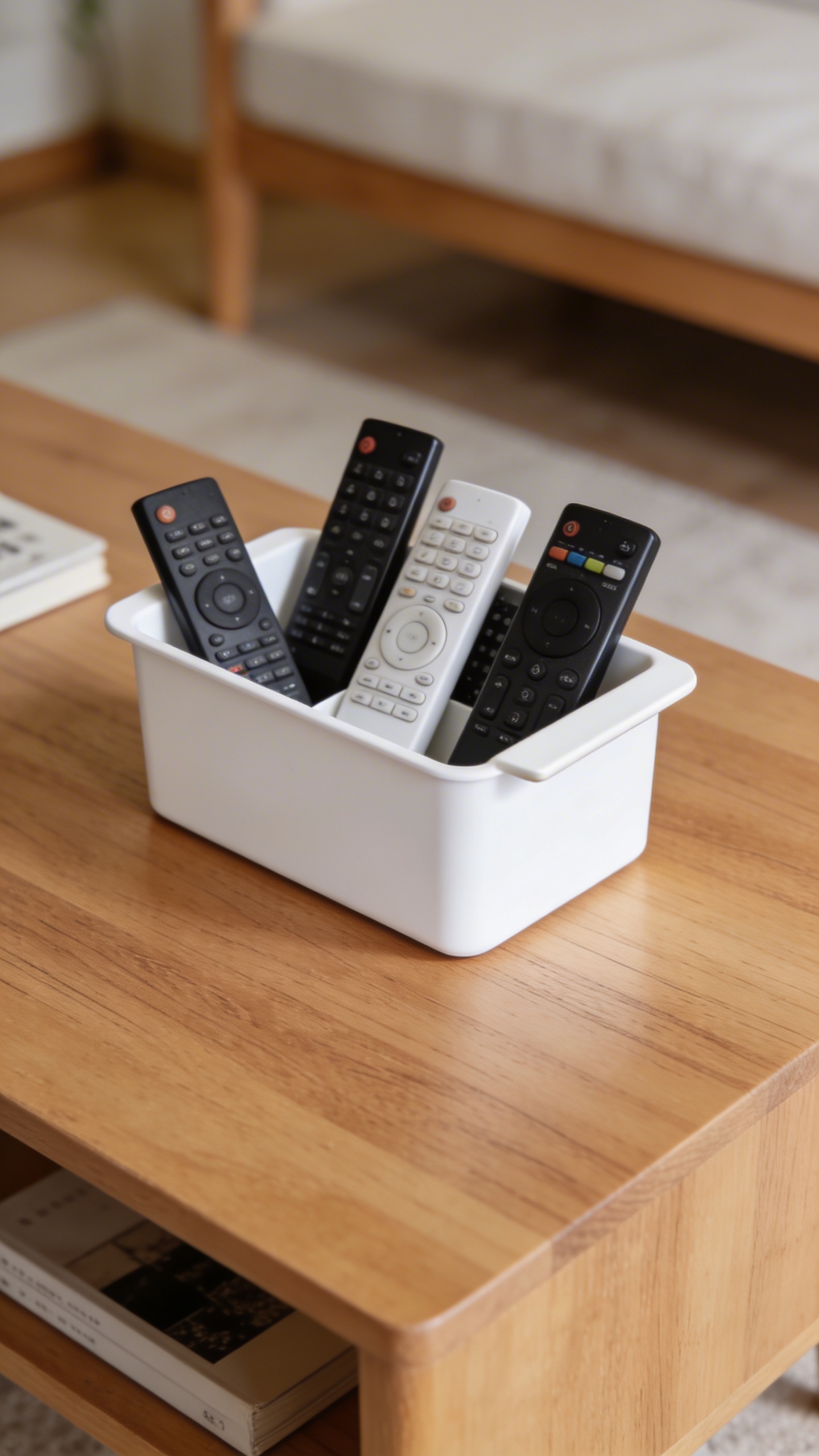
Overwhelm often hides in decision fatigue. Every drawer packed with “misc,” every shelf crammed with “might use” items—each one asks a question every time you open it. That constant micro-choosing? Exhausting.
Create Default Settings
- Location decides: Assign a home to every repeat item (keys, backpacks, headphones). No thinking required—just drop it there.
- One-in, one-out: New mug? Pick an old one to donate immediately. No backlog, no guilt pile.
- Pre-make three choices: Decide your go-to sheet set, your go-to candle, your go-to throw blanket. Rotate less; enjoy more.
Your Storage Works Against You
If you need three steps to put something away, you won’t. Frictive storage (lids, deep bins, stacked boxes) turns simple tidying into a chore, even when everything’s technically “put away.”
Make Storage Frictionless
- Go lidless where possible: Open bins for daily-use items—towels, toys, pantry snacks. Lids are for long-term storage, FYI.
- Use shallow containers: Depth hides things. Shallow = visible = used.
- Label like you mean it: Clear, bold labels reduce “Where does this go?” moments. Even if you live alone—future-you forgets.
- Right-size the furniture: Too-small dressers explode. Too-deep shelves swallow. Scale storage to the stuff you actually own.
Stuff Density: The Real Culprit
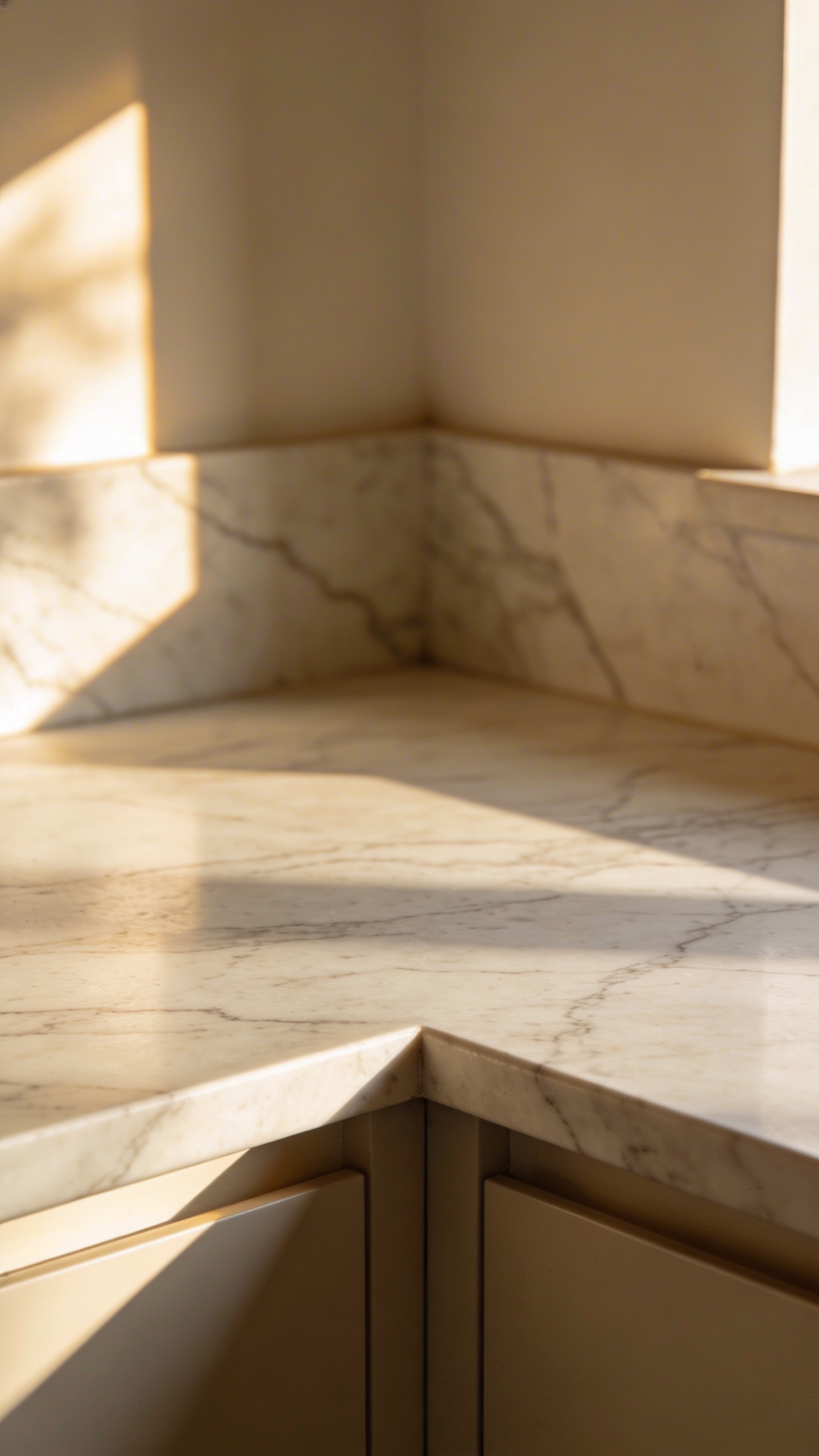
Sometimes you don’t have clutter—you just have too much of the right stuff. Ten throws, six spatulas, 24 water bottles—individually harmless, collectively heavy. Density raises the mental temperature.
Edit By Category, Not Room
- Pick a category: Mugs, vases, T-shirts, chargers.
- Pull them all out: Seeing duplicates flips the “why” switch in your brain.
- Set a cap: Example: Keep eight mugs for a 2–3 person household. Donate the rest.
- Repeat weekly: One category per week. Low drama, high payoff.
Energy Zapping Layouts
A clean room still overwhelms if the layout fights your life. If you trip over the dog bed to reach the couch or your desk faces a hallway stampede, you’ll feel “on alert” at home.
Flow Over Aesthetics (Most Days)
- Clear the pathways: Main routes = 36 inches of clearance. Yes, move that plant.
- Face calm: Aim couches and desks toward windows or a single focal point. Fewer competing sights = calmer brain.
- Zone your space: Reading corner, work zone, drop zone. Zones shrink visual confusion.
Light, Color, And Sound: The Sensory Trifecta
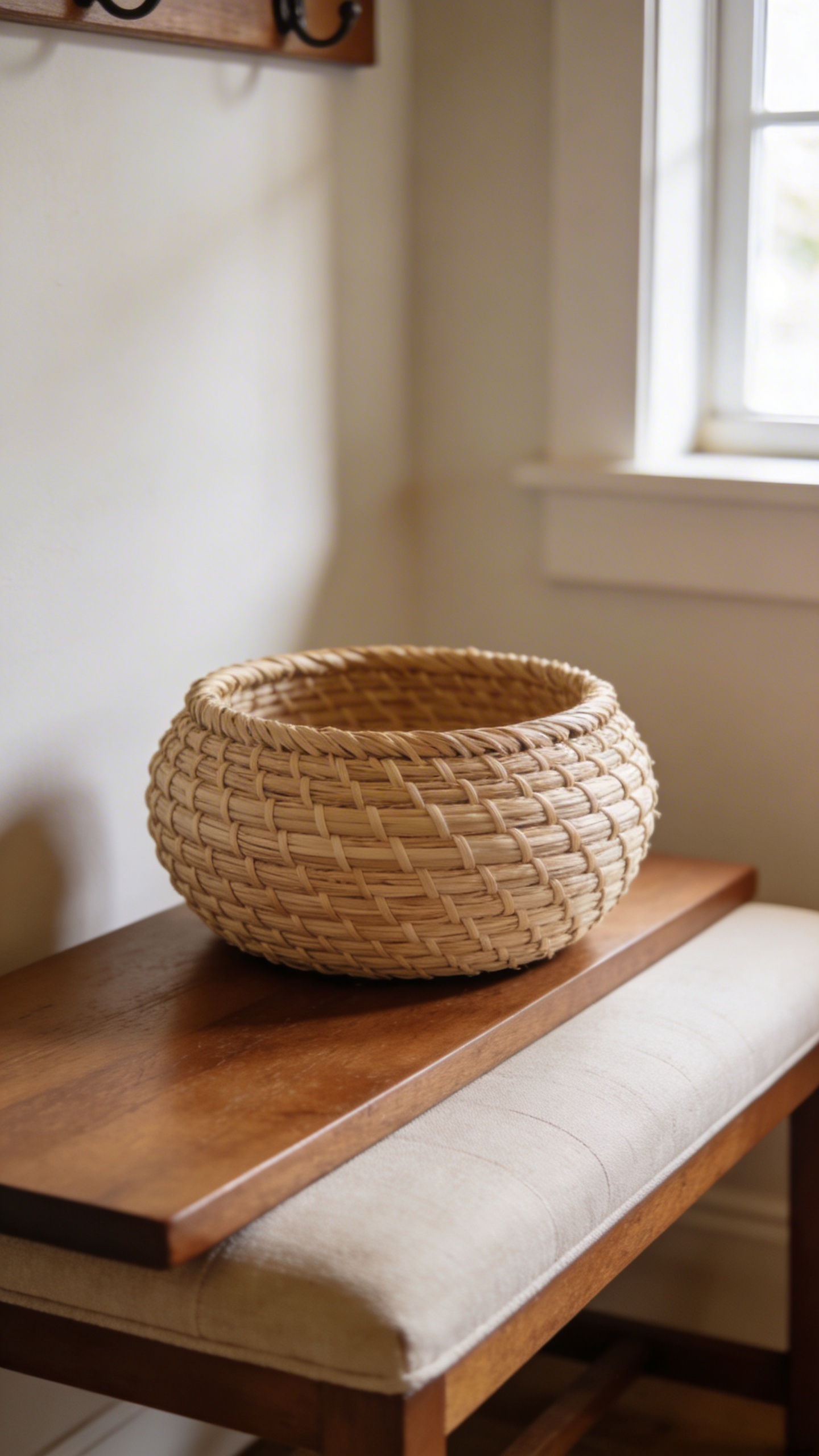
Your senses run the show. Harsh light, echoey rooms, or chaotic color palettes can make a clean space feel loud.
Tune The Lighting
- Layer it: Overhead + task lamps + ambient (hello, floor lamp). Avoid single-source glare.
- Warm bulbs at night: 2700K–3000K calms your brain. Cool light belongs in offices, not bedrooms.
Soften The Echo
- Textiles to the rescue: Rugs, curtains, upholstery—instant sound absorption.
- Books and plants: Natural diffusers that also look alive (because they are).
Calm The Palette
- Pick 3–4 colors per room: One main, one secondary, two accents. That’s it.
- Use texture as “visual flavor”: Linen, wood, matte ceramics. Less color, more interest.
Sentimental Clutter And Identity Cling
Some items feel like memory landmines. You keep them “just in case” you need the feeling again. But memory is not storage-dependent—your brain holds the moment, not the sixth souvenir cup.
Keep The Memory, Not The Mountain
- Photograph, then release: Snap the shirt from your first concert, then donate it.
- Curate a memory box: One bin per person. When it’s full, you edit—simple rule.
- Display one great thing: Frame the handwritten recipe. Let it shine without the drawer full of extras.
Maintenance That Doesn’t Maintain
You cleaned. Great. But does the system help Future You? If your routines don’t match your real life, you’ll fall behind and feel swamped again.
Design For Lazy Days
- Two-minute reset: Nightly timer. Surfaces cleared, pillows fluffed, dishes soaked. Small wins compound.
- Weekly power hour: One hour: floors, bathrooms, sheets. Non-negotiable calendar event.
- Stash cleaning where you use it: Bathroom spray in the bathroom, not the hall closet. Proximity = action.
Micro-Habits That Lighten The Vibe Fast
- Open the windows 10 minutes daily: Fresh air, better mood. Science and vibes agree.
- Start with sightlines: Tidy what you first see when you enter. Instant calm.
- Practice the “rule of 5”: Put away five things every time you leave a room.
- Embrace a staging basket: One basket for items going elsewhere. Do a nightly shuttle.
FAQs
Why does my house still feel cluttered after I put everything away?
Because “away” might mean hidden, not streamlined. If storage hides duplicates or low-value items, you just postponed the overwhelm. Edit first, then store. Containers can’t solve quantity issues—only choices can.
How do I make my space feel calmer without buying anything?
Remove, rearrange, and group. Clear 30% of surfaces, gather small items onto trays, and move furniture to open pathways. You’ll feel the difference immediately—no checkout cart required.
What’s the fastest 15-minute fix when I feel overloaded?
Hit the “visual hotspots”: entry table, kitchen counters, coffee table. Toss trash, corral loose items, stack like with like. Light a warm lamp. Small moves, big mood shift.
How do I deal with family members who undo my systems?
Make systems obvious and low-friction: open bins, big labels, drop zones at the door. Then model the habit, not the lecture. Consistency beats nagging, IMO.
Is minimalism the only answer?
Nope. You just need intentional density: the right amount of stuff that supports your life without yelling at your senses. Cozy and calm can coexist—edit, contain, and color-calibrate.
What if I love color and patterns?
Go for it—just assign roles. One hero pattern, supporting solids, and repeat colors across the room. Balance the bold with negative space so your eyes can rest.
Conclusion
A clean home can still overwhelm because your brain cares more about inputs than tidiness. Lower the inputs—visual, decision, sensory—and your space shifts from “a lot” to “ahh.” Start tiny: clear a surface, cap a category, add a lamp. Future you will walk in, breathe out, and feel at home again.
Discover free printable activities, coloring pages, and learning fun at FreeKidsHub.com — perfect for screen-free quiet time and cozy days at home.
Explore More & Elevate Your Glow
Step into your feminine energy, build confidence, and reconnect with your inner glow in the Glow Life category.
For real, supportive, and emotional content around motherhood, daily balance, and growth, explore our Motherhood category.
Create calm routines, slow down, and take care of yourself with intention inside the Self-Care category.
Discover soft luxury living, daily rituals, and feminine lifestyle inspiration in the Lifestyle category.
Build deeper emotional connections and create more balanced, meaningful relationships in the Relationships category.
Elevate your beauty, confidence, and feminine glow in the Beauty category.