
You want your home to run on cruise control, not chaos mode. Good news: you don’t need a label maker army or a weeklong retreat to make it happen. You just need a few smart moves, some honest expectations, and systems that fit your real life. Let’s build a home setup that reduces mental load and doesn’t fall apart the minute you get busy.
Design Your Home System Like A Lazy Engineer
Stop thinking “organization” and start thinking “friction.” Your goal: fewer steps, fewer decisions, fewer things to remember. If a system needs saint-level discipline, it fails.
- Locate pain points: What creates stress daily? Mornings? Dinner? Laundry? Write three.
- Define the “minimum viable” fix: What’s the smallest change that makes it 50% easier?
- Build for the laziest future you: If it only works when you’re “inspired,” it won’t work.
Quick Diagnostic
- If you keep forgetting something, you need a trigger (visual cue, calendar, or physical station).
- If you avoid a task, you need a shorter path (fewer steps, closer tools, lower standards).
- If a system collapses on busy weeks, you need a default mode (the bare-minimum plan).
Create Keystone Stations (And Put Them Where You Live)
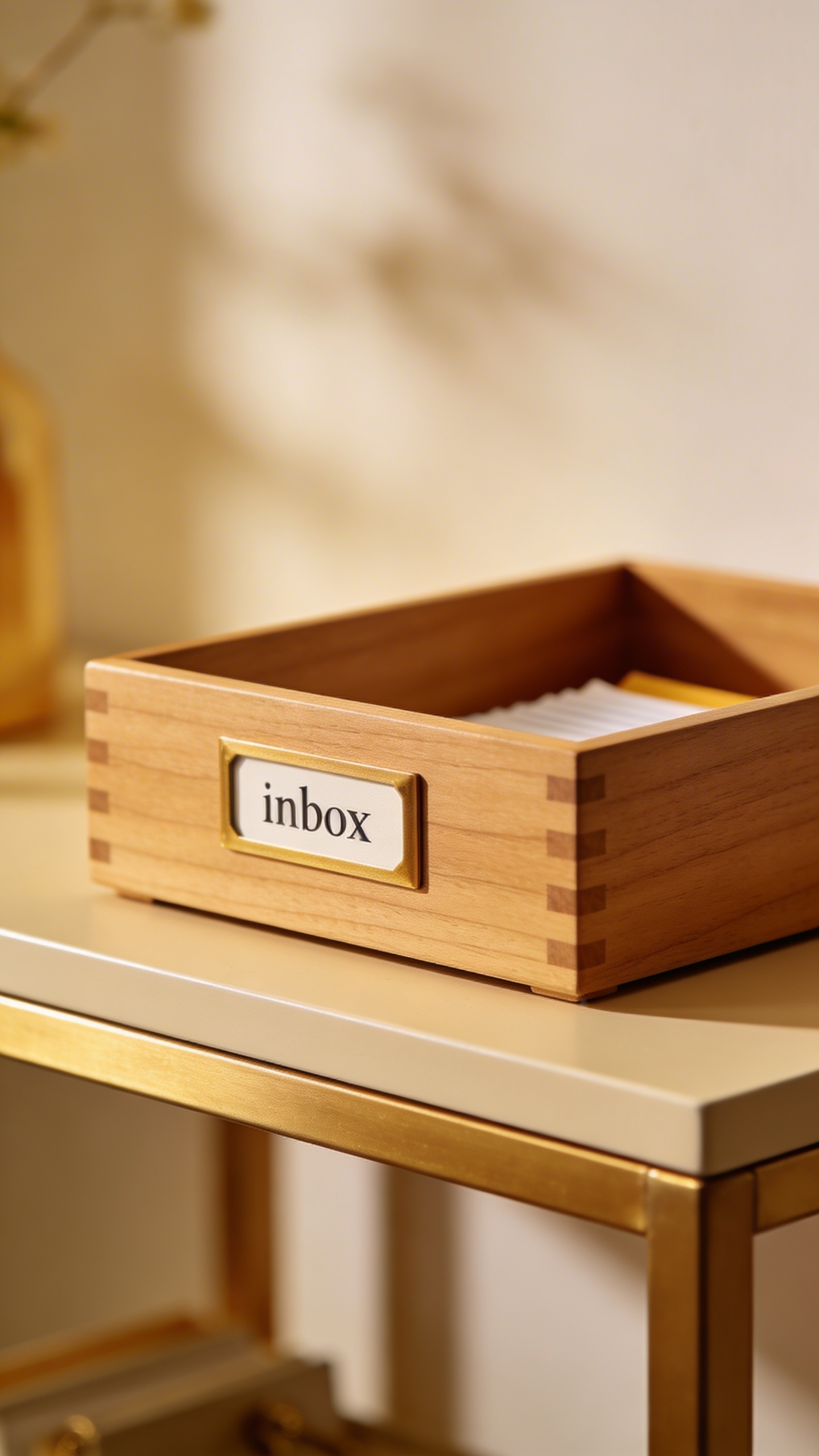
You don’t need 12 zones. You need 3-5 “keystone stations” that keep the day moving. Build them where the action happens, not where Pinterest says they belong.
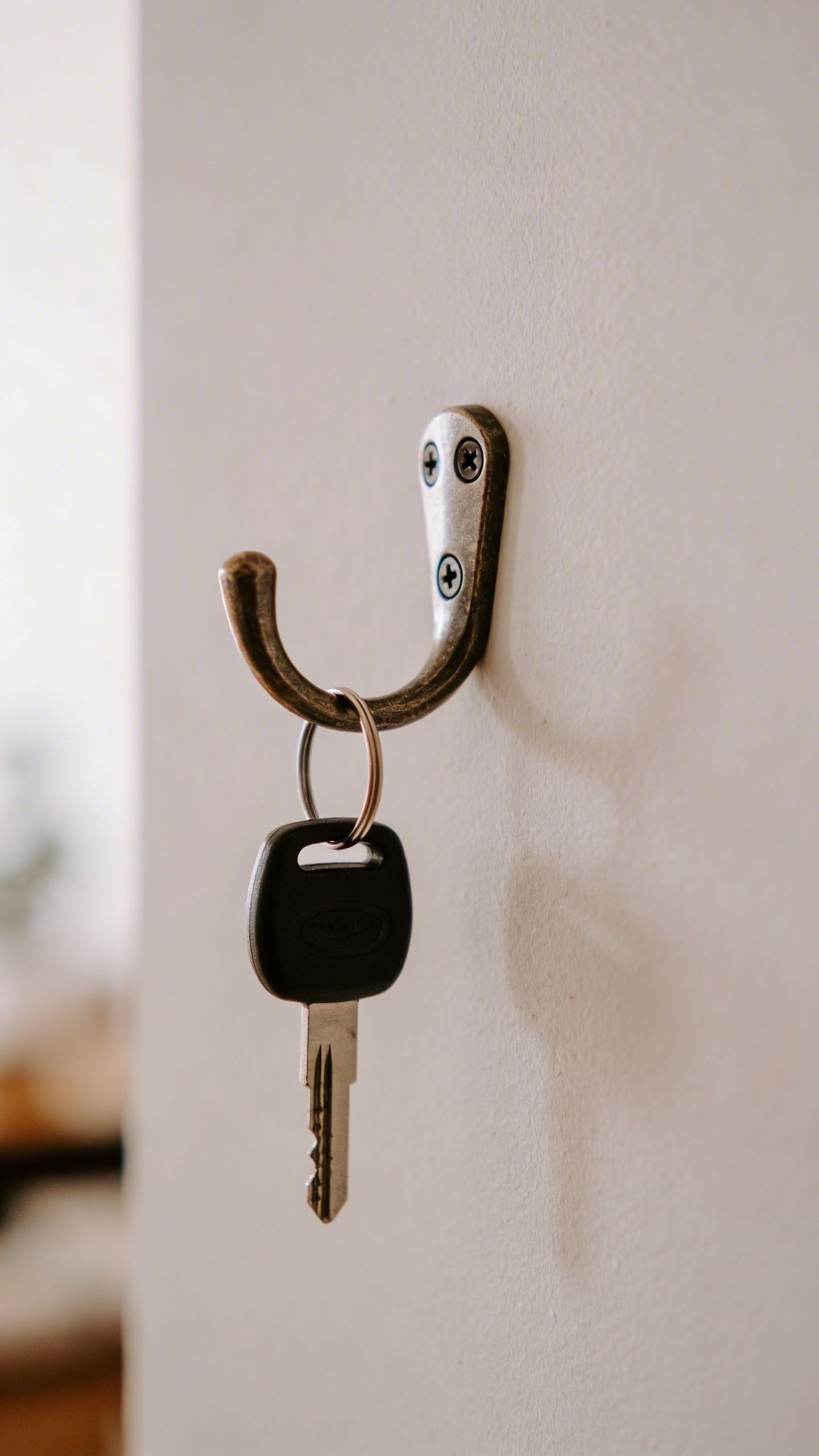
- Launchpad (by the door): Hooks, bin for outgoing stuff, baskets per person, a small tray for keys and access cards.
- Command Center (kitchen or hallway): Calendar, inbox for mail/forms, pen + sticky notes, charger hub, household to-do list.
- Meal Zone (inside the pantry or a cabinet): Weekly menu pad, go-to pantry staples, quick-protein shelf, spice basics.
- Laundry Lane (where you fold): Divided hampers, stain stick, mesh bags, a shallow “to be put away” basket.
- Reset Cart (mobile): Microfiber cloths, all-purpose spray, trash bags, a lint roller—roll room to room in 10 minutes.
Labeling Without Shame
Use one-word labels and big fonts. Label shelves, bins, and even drawers inside. Not cute—clear. Your future self (and anyone else who lives with you) will actually put things back.
Plan Your Week In 15 Minutes (Yes, Really)
Weekly planning sets the vibe. Skip it and the week drives you. Do it and you drive the week.
- Pick a planning moment: Sunday PM or Monday AM—same time, every week.
- Glance at the calendar: Appointments, travel, kid stuff, deadlines. Block “must-do” time first.
- Pick 3 priorities max (work + home combined). Everything else becomes “nice-to-have.”
- Pre-decide meals: 3 core dinners + 2 freezer/leftover nights + 1 flex night + 1 takeout. Done.
- Assign 2-3 tiny chores to specific days (e.g., Tue: towels; Thu: floors). Keep it bite-sized.
Templates That Save Your Sanity
– Default Dinner Rotation: Tacos, sheet-pan chicken, pasta, stir-fry, soup/salad, freezer night, takeout.
– Default Cleaning Circuit: Bathrooms Mon, Dust Wed, Floors Thu, Linens Fri—each under 25 minutes.
– Default Grocery List: One master repeat list inside your notes app. Check what you need and go.
Lower The Bar, Automate The Boring
Perfection burns you out. Systems survive when they’re lightweight.
- Set “good enough” standards: Counters wiped daily, deep clean monthly. Not the other way around.
- Automate refills: Detergent, paper goods, pet food, vitamins. Subscribe and forget. FYI, automation beats memory every time.
- Create a “five-minute save” list: Load dishwasher, reset entryway, wipe bathroom mirror, clear hotspot. Knock one out whenever you stall.
- Use visual timers: 10-minute “reset sprints” cut perfectionism and get results fast.
The Two-Basket Magic
Keep two baskets: Upstairs and Downstairs. Toss nomad items in the right basket during the day. Carry up/down once at night. Congrats, you just ended the random-object pilgrimage.
Tiny Habits That Anchor The Whole House
You don’t need new personality traits. You need anchor habits tied to things you already do.
- After coffee → Start dishwasher
- After dinner → 10-minute family reset (everyone tidies their zones—no speeches, just a timer)
- After shower → Squeegee + 15-second sink wipe
- Before bed → Reset launchpad (bags, keys, water bottles, permission slips, gym shoes—future you says thanks)
Make It Visible
Post a one-page routine on the fridge. Use simple language and big fonts. If it lives only in your head, you become the household help desk. Hard pass.
Divide The Load Like A Team, Not A Favor
A low-stress home spreads responsibility clearly. No invisible labor ninja-ing.
- Own outcomes, not chores: One person “owns” laundry end-to-end; another owns meals. Ownership reduces nagging.
- Use a shared board or app: Assign names and due dates. If it’s unassigned, it’s a ghost task.
- Swap seasonally: Rotate roles every 3 months to avoid resentment and skill amnesia.
- Call a 20-minute retro monthly: What broke? What felt heavy? Then tweak. IMO, tiny tweaks beat big overhauls.
Kid-Friendly Systems (That Don’t Backfire)
– Two-hook rule: One for coat, one for backpack at kid height.
– Picture labels on bins: Match photos to toys.
– Token chores: 5-minute tasks for allowance or points. Short, winnable, repeatable.
Clutter Triage Without The Guilt Spiral
Decluttering is not a spiritual journey—it’s logistics. You only need consistent, low-drama passes.
- One zone per week for 20 minutes: Entryway, fridge, bathroom drawers, office desk, coat closet.
- Use the 3-bag rule: Donate, Trash, Relocate. Stand up while sorting to avoid sentimental rabbit holes.
- Set a donation outflow day: Every second Saturday. Car + drop-off. No donation graveyards in the trunk.
Stop Buying Future Clutter
Adopt a one-in, one-out rule for categories like mugs, towels, and hoodies. If something comes in, something of the same type leaves. Math wins.
Digital Systems That Keep Paper From Multiplying
Paper loves to pile. Go hybrid: a tiny amount of paper, a lot of digital.
- One physical inbox at the command center. Process twice weekly.
- Scan with your phone (receipts, forms, warranties) and file into simple folders: Bills, School, Health, Home, Taxes.
- Use calendar + reminders for due dates. Attach the scan to the calendar event when possible.
- Shared grocery + chores lists in a notes app. If it’s not on the list, it doesn’t exist (sorry, telepathy).
Keep The Folder Tree Flat
Five to seven top-level folders max. Nested labyrinths breed “where did I put that” energy. Flat equals findable.
FAQ
What if my partner doesn’t follow the system?
Start with shared pain points and ask for input, not compliance. Offer two choices for each system (e.g., wall calendar or shared app). Assign ownership instead of random chores and review monthly. People support what they help build—wild, right?
How do I keep consistency when I travel or get swamped?
Create a default mode: simple meals, one-laundry-day, 10-minute nightly reset, and takeout guilt-free. Post the default on the fridge. When life returns to normal, ramp up slowly.
Do I need fancy containers or gadgets?
Nope. Use what you have first: shoe boxes, mason jars, a tray by the door. Test a system for two weeks. If it sticks, upgrade. If it doesn’t, you saved money and regret.
How long before it feels easier?
Usually 2-3 weeks. The first week feels clunky while you remember the new paths. Week two runs smoother. By week three, you’ll wonder why past-you worked so hard for so little payoff.
What about small spaces or roommates?
Go vertical with hooks and shelves. Use personal bins for shared areas (one per person) to corral stuff politely. Keep agreements simple: quiet hours, dish deadlines, reset sprints. Clarity prevents roommate feuds and passive-aggressive sticky notes.
How do I stop the to-do list from exploding?
Use the Rule of Three: pick three daily “musts” and park everything else on a weekly list. If a task takes under two minutes, do it immediately. If it repeats, automate or assign it to a day.
Conclusion: Make It Easy, Then Make It Yours
A low-stress home system isn’t about being tidier than your neighbor—it’s about lowering friction so daily life feels lighter. Start with pain points, build keystone stations, and run a 15-minute weekly plan. Then keep tweaking until the system survives your busiest week. Do that, and you’ll live in a home that supports you—no perfection required, just progress. FYI, that’s the real flex.
Discover free printable activities, coloring pages, and learning fun at FreeKidsHub.com — perfect for screen-free quiet time and cozy days at home.
Explore More & Elevate Your Glow
Step into your feminine energy, build confidence, and reconnect with your inner glow in the Glow Life category.
For real, supportive, and emotional content around motherhood, daily balance, and growth, explore our Motherhood category.
Create calm routines, slow down, and take care of yourself with intention inside the Self-Care category.
Discover soft luxury living, daily rituals, and feminine lifestyle inspiration in the Lifestyle category.
Build deeper emotional connections and create more balanced, meaningful relationships in the Relationships category.
Elevate your beauty, confidence, and feminine glow in the Beauty category.