
You’re running on cold coffee and sheer willpower, and you’re wondering: is this normal mom-tired, or something deeper? Let’s cut the fluff. We’ll break down the difference between burnout and depression in plain English, so you can figure out what’s going on and what to do next. No judgment here—just clarity, support, and a few practical tools you can use today.
First, What Are We Even Comparing?
Mom burnout shows up when constant caregiving, decision fatigue, and zero downtime drain your mental and physical battery. Think: crispy on the edges and oddly numb in the middle. It’s a response to relentless stress and lack of recovery.
Depression goes beyond stress. It’s a mood disorder with persistent sadness, hopelessness, and loss of interest that sticks around and hijacks daily life. You can’t “out-schedule” it.
The TL;DR Difference
- Burnout: Situation-driven, improves with rest and better boundaries.
- Depression: Brain-and-body level condition, needs clinical support and often treatment.
How Each Feels: The Vibes Check

Burnout feels like:
- Exhaustion that eases a bit with a real break (remember those?).
- Irritability, snappiness, or emotional numbness.
- Overwhelm from tasks you used to handle fine.
- Resentment about the endless to-do list and the mental load.
Depression feels like:
- Persistent sadness or emptiness most days, for at least two weeks.
- Loss of pleasure in stuff you usually enjoy (yes, even the good coffee).
- Changes in sleep or appetite, guilt, hopelessness, or feeling worthless.
- Slowed thinking, low energy, trouble focusing.
- Thoughts of self-harm or not wanting to be here. If that’s you: seek help now—text HOME to 741741 (US), call or text 988 (US), or contact your local emergency number. You matter.
Key Clues That Point One Way or The Other
1) What Fixes It—Even A Little?
- Burnout: Time off, help with childcare, lighter workload, or a weekend away can noticeably help.
- Depression: Breaks don’t move the needle much. Relief feels temporary or nonexistent.
2) Where You Feel It Most
- Burnout: Strongest around parenting or work tasks. You might still feel fine with friends or hobbies.
- Depression: It follows you everywhere—home, work, relationships, even during “fun.”
3) Your Inner Narrator
- Burnout: “I can’t keep up.” “This schedule is impossible.”
- Depression: “I’m a failure.” “Nothing will ever get better.”
4) Body Signals
- Burnout: Headaches, tension, GI issues, poor sleep from stress.
- Depression: Heavier fatigue, appetite shifts, sleep changes (too much or too little), slowed movements.
Postpartum Twist: When Timing Matters

If you had a baby in the last year, this gets trickier. Sleep deprivation, hormone shifts, and identity changes turn up the volume on everything. Postpartum depression can look like typical newborn chaos, except you feel persistently down, detached, or hopeless—sometimes even when the baby sleeps and help arrives.
Signs That Deserve Immediate Attention
- Lingering sadness or numbness most days for 2+ weeks
- Intense guilt or panic
- Thoughts of harming yourself or the baby (please tell someone you trust and call your provider now)
FYI: Postpartum anxiety and OCD also exist, and they’re treatable. You’re not “overreacting”—you’re human.
Self-Check: A Quick Mini-Quiz (Not A Diagnosis!)
Answer yes/no:
- Do you feel a bit better after a solid nap, help with chores, or time away from kid-duty? (Leans burnout)
- Do you feel down or hopeless most of the day, nearly every day, for two weeks? (Leans depression)
- Do you still enjoy anything—music, a walk, texting your bestie? (Enjoyment suggests burnout; loss suggests depression)
- Do you think the problem is your situation more than you as a person? (Burnout vibes)
- Do you have thoughts that your family would be better off without you? (Red flag for depression—reach out immediately)
If you’re mixed, that’s common. Many moms have both. IMO, getting help for either makes both easier.
What Actually Helps: Burnout Edition
Micro-Resets You Can Do Today
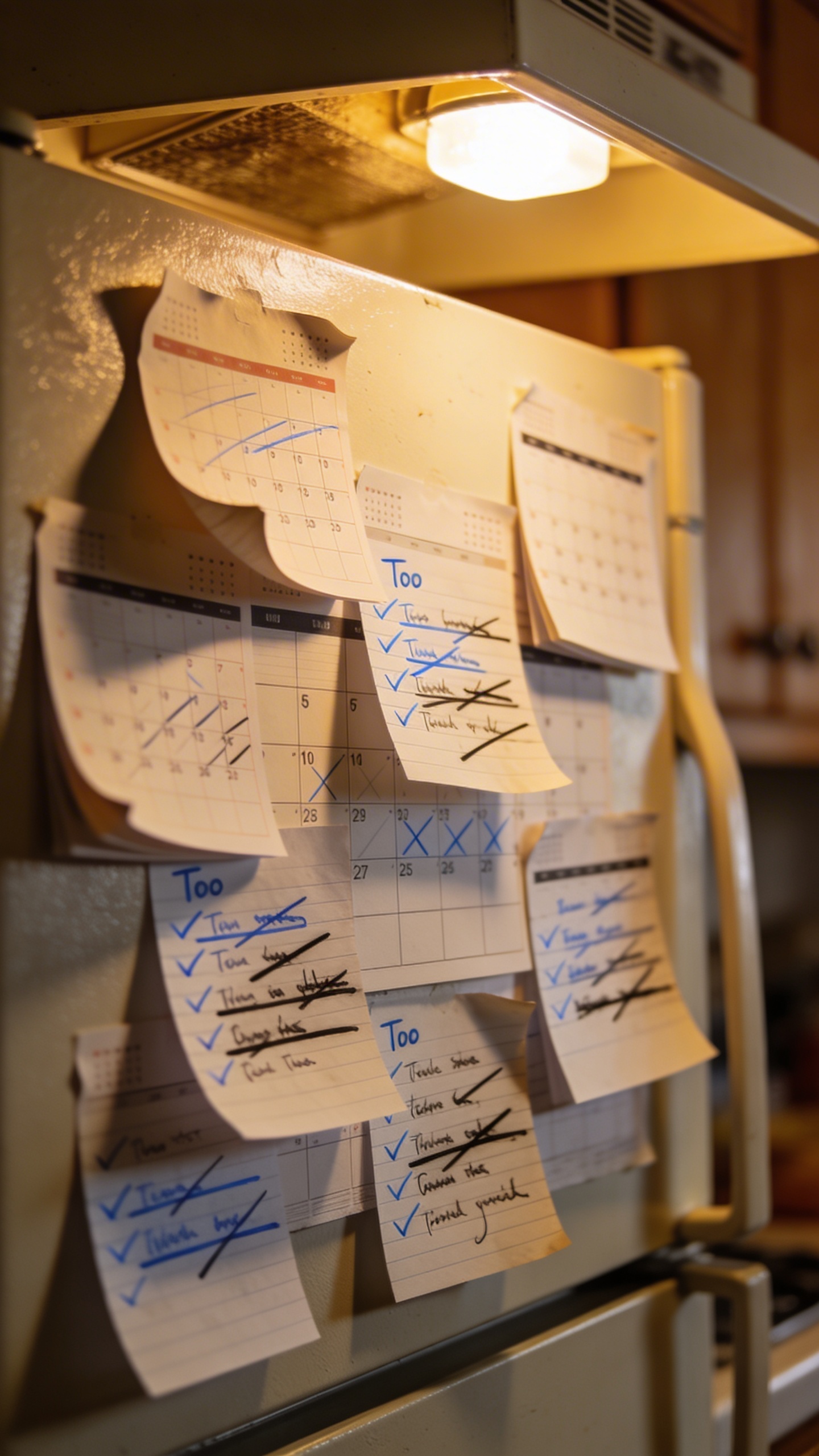
- Divide the mental load: List everything you track (meals, appointments, laundry). Reassign 3 items—ownership included.
- Engineer recovery: Schedule 10-minute “no-input” breaks—no chores, no scrolling. Breathe, hydrate, stare at a tree.
- Lower the bar (strategically): Paper plates, laundry baskets as dressers, breakfast-for-dinner. Season of life rules apply.
- Say “not now”: Create a default response: “I can after Thursday,” or “I’m at capacity this week.”
System Tweaks For Real Relief
- Sleep swaps: Trade nighttime duties with a partner, or set “on-call” nights.
- Batch the chaos: Group errands, emails, and appointments. Context switching = energy drain.
- Community hacks: Carpool, meal trains, sitter swaps, grandparents-on-call. Ask early, ask often.
What Actually Helps: Depression Edition
Step one: Talk to a professional—your primary care provider, OB/GYN, or a therapist. You don’t need perfect words; “I feel down most days and nothing helps” works.
Evidence-Based Supports
- Therapy: Cognitive Behavioral Therapy (CBT) and Interpersonal Therapy (IPT) have strong evidence.
- Medication: Antidepressants can help rebalance brain chemistry. Many options are compatible with breastfeeding—ask your provider.
- Structure: Gentle daily rhythm: sunlight in the morning, short walks, predictable meals, consistent sleep windows.
- Connection: One real-life touchpoint a day—a neighbor chat, support group, or text with a friend who “gets it.”
And yes, you can do therapy and meds while parenting. People do it every day. It’s not failure; it’s maintenance.
When To Get Help—Like, Now

- Thoughts of self-harm, suicide, or harming your child
- Depression symptoms most days for two weeks or longer
- Unable to function—can’t get out of bed, eat, or care for basic needs
Reach out: call or text 988 (US), text HOME to 741741 (US), or contact your local emergency number. Tell a partner or friend you need help today. You don’t have to white-knuckle this.
FAQ
Can burnout turn into depression?
Yes. Chronic stress without recovery can tip into depression over time. Think of burnout as the warning light—ignore it long enough, and the engine needs real repair. Address it early to lower that risk.
What if I don’t have time for therapy?
Short, virtual sessions exist, and some therapists offer 30-minute slots. Also, consider messaging-based support or group therapy. Even biweekly sessions help. FYI, you deserve 50 minutes more than your dishes do.
How do I talk to my partner about this?
Use concrete examples and a clear ask. Try: “I feel overwhelmed and numb. I need you to fully own school lunches and bedtime Tuesday–Thursday for the next month.” Specific beats vague every time.
Is it still depression if I can fake being okay?
Yep. High-functioning depression is real. If you hold it together for others and collapse privately, that still counts. The mask is heavy—let someone help you set it down.
Could this just be a sleep problem?
Sleep deprivation mimics a lot of depression symptoms. If better sleep meaningfully improves mood within a week or two, great—burnout was likely in the mix. If not, loop in a pro.
How do I find a therapist who gets mom life?
Search directories for “perinatal” or “maternal mental health.” Ask your OB’s office, local moms’ groups, or postpartum support organizations. IMO, lived experience with parenting chaos helps.
Bottom Line
Burnout says, “Your load is too heavy.” Depression says, “Your light feels dim.” You can respect both truths and get help for both. Start with one small change today—ask for specific help, book that appointment, or block 10 minutes to breathe. You’re not failing; you’re adjusting to a very real demand. And you don’t have to do it alone.
Discover free printable activities, coloring pages, and learning fun at FreeKidsHub.com — perfect for screen-free quiet time and cozy days at home.
Explore More & Elevate Your Glow
Step into your feminine energy, build confidence, and reconnect with your inner glow in the Glow Life category.
For real, supportive, and emotional content around motherhood, daily balance, and growth, explore our Motherhood category.
Create calm routines, slow down, and take care of yourself with intention inside the Self-Care category.
Discover soft luxury living, daily rituals, and feminine lifestyle inspiration in the Lifestyle category.
Build deeper emotional connections and create more balanced, meaningful relationships in the Relationships category.
Elevate your beauty, confidence, and feminine glow in the Beauty category.