
Motherhood doesn’t just mean diapers and school pickups. It means remembering everyone’s shoe sizes, the pediatrician’s hours, and when the dishwasher filter needs cleaning… again. That invisible to-do list? It eats brain space and time, and it rarely gets acknowledged. Let’s unpack what the mental load actually is, how it shows up, and how to share it without starting World War III over snack duty.
What “Mental Load” Actually Means (And Why You Feel Tired Before 9 A.M.)
The mental load is the constant planning, anticipating, coordinating, and remembering that keeps a family alive and semi-sane. It’s not just doing tasks—it’s owning them. Think: noticing low milk, adding it to the list, remembering to buy it, and then actually buying it before the cereal meltdown.
It’s invisible because you can’t see it on a calendar. Yet it runs in the background like 87 browser tabs, all autoplaying audio. FYI: that’s why you feel exhausted even when you “didn’t do much.”
Emotional Labor vs. Mental Load
– Mental load: logistics and planning (who, what, when, how).
– Emotional labor: soothing feelings, managing conflict, remembering birthdays, crafting texts that keep the family chat from imploding.
They overlap, but the mental load focuses on the cognitive work that keeps life moving.
How The Mental Load Sneaks Into Every Corner Of Your Day

– Mornings: Checking the weather, planning outfits, signing the mysterious field trip form buried in a backpack abyss.
– Work hours: Mentally juggling Slack pings with “Does Mia need more EpiPens?” and “Who’s bringing snacks Thursday?”
– Evenings: Tracking homework, dinners, bedtime routines, plus ordering the exact toothpaste that doesn’t cause a riot.
– Weekends: Birthday party logistics, family calendar Tetris, “meal planning” (aka bargaining with tiny dictators).
Sound dramatic? Sure. But this stuff adds up—and it drains focus and joy.
Signs Your Mental Load Is Maxed Out
– You snap over small things—like socks on the floor—then feel guilty.
– You keep to-do lists for your to-do lists.
– You can’t “relax” because you’re always pre-planning the next five steps.
– You resent “help” that requires supervision. (If you must manage the help… that’s more load.)
Why Moms Carry It More (Even When Everyone Means Well)
Patterns start early: people expect moms to notice and remember. Partners often say, “Just tell me what to do,” which turns you into the project manager of life. That doesn’t fix the load; it increases it.
Also, culture rewards moms for being endlessly capable. If you do everything “right,” you get praised. If you drop a ball, you feel judged. Fun combo, right?
The Three Levels Of Ownership
– Awareness: Noticing the need (we’re out of snacks).
– Planning: Choosing options and timing (what, where, when).
– Execution: Doing the thing.
If your partner only executes, you still carry the first two. Real sharing means transferring all three.
Practical Ways To Share The Load Without Constant Reminding
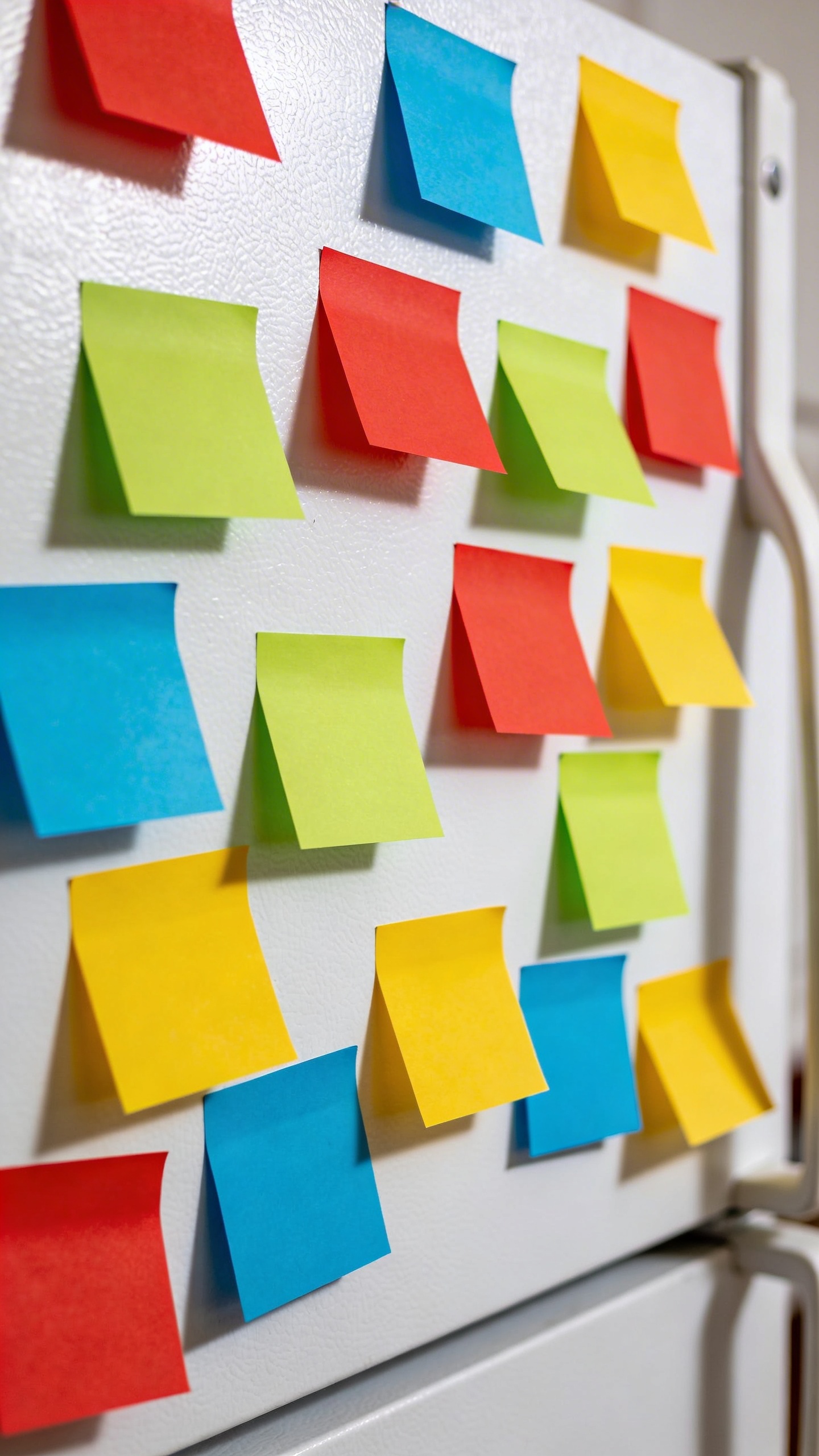
You don’t need a personality transplant. You need systems that don’t rely on one brain.
Household Project Ownership (Not “Helping”)
Assign whole domains to each adult—end to end. Examples:
– School admin: Forms, calendar, supplies, teacher emails.
– Food: Meal planning, groceries, cooking or ordering, pantry restock.
– Health: Appointments, prescriptions, health forms, insurance claims.
– Home ops: Laundry, cleaning schedule, supplies, repairs.
Each owner handles awareness + planning + execution. No “What’s for dinner?” if you own food. IMO, this single shift changes everything.
Make It Visible Or It Doesn’t Exist
– Shared calendar (Google, Apple, Cozi). Color code by person.
– Family task board (Trello/Notion/whiteboard).
– Recurring reminders for refill cycles, birthdays, permission slips, pet meds.
If it lives in one brain, it will leak out of your ears.
Use 15-Minute Weekly Syncs
– Quick agenda: This week’s events, who owns what, what’s blocked.
– Decide trade-offs publicly: “If we do soccer practice, dinner becomes sandwiches.”
– End with a recap. No minutes = no memory.
Automate The Boring Parts
– Subscribe-and-save for staples.
– Batch appointments on one “admin day.”
– Order pickup vs. dragging kids through aisles (your sanity is priceless).
– Templates: packing lists, school lunch rotations, birthday gift go-tos.
Boundary Setting So You Don’t Become The Family Siri
Kids and partners can learn. Let them.
Teach, Then Transfer
– Walk through a task once or twice.
– Document the steps (a note on the fridge works).
– Hand it off completely—no shadow-managing.
Stop Being The Safety Net (Kindly)
– Let a non-urgent ball drop. Natural consequences teach better than lectures.
– Say, “I’m not tracking that anymore. It’s on your list.” Then hold the line.
– Resist “rescue mode” unless it’s health/safety critical.
Pre-Commit To Good-Enough Standards
Your version of “perfect” might be unsustainable. Agree on a minimum viable standard:
– Clean kitchen = clear sink + wiped counters.
– Laundry = washed, dried, put away weekly (not color-sorted like a museum exhibit).
Aim for progress, not perfection. FYI: done beats ideal.
Reclaiming Your Brain: Tiny Habits With Big Payoff
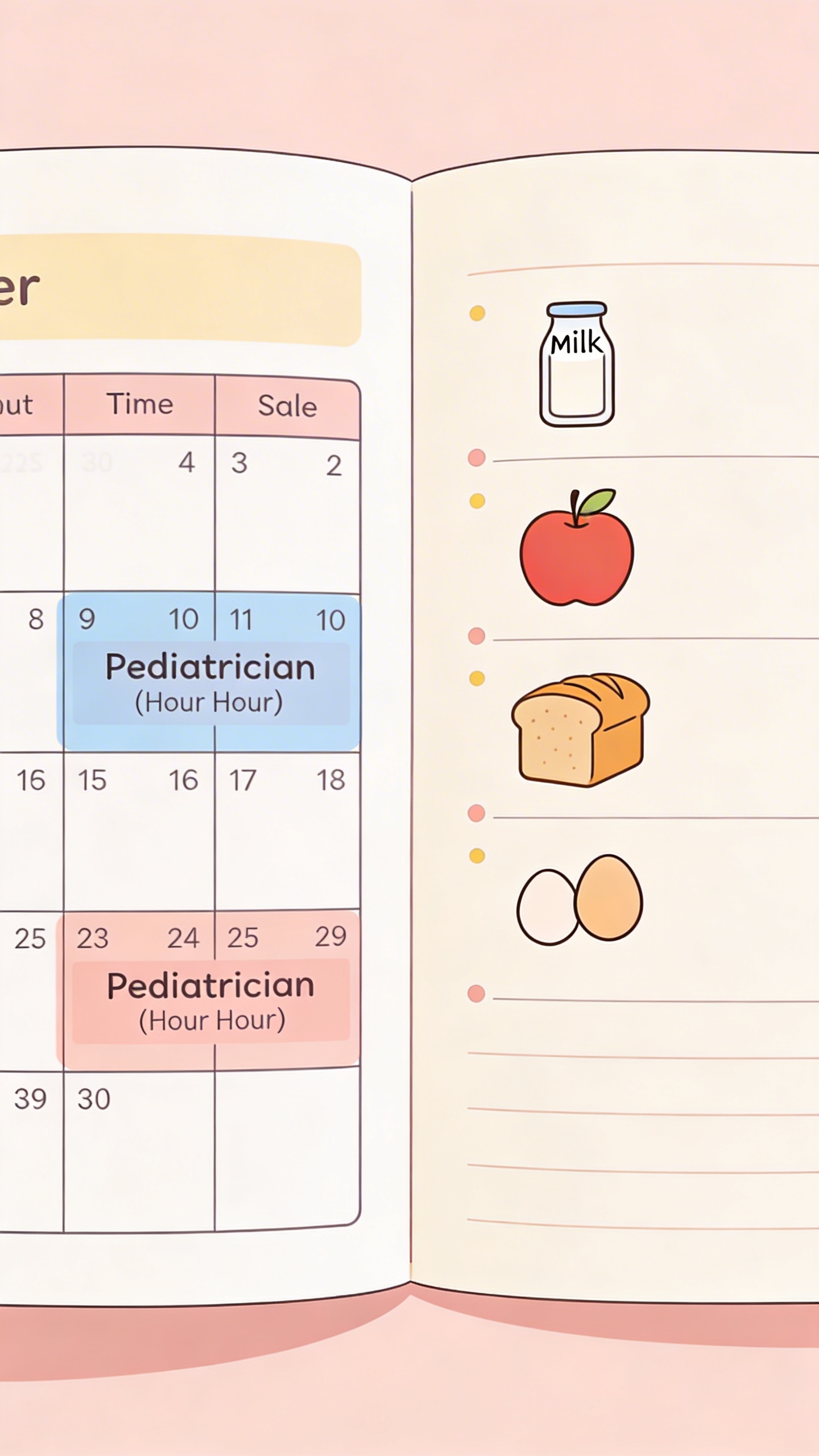
– Single inbox rule: All requests land in one place (app, notebook, email). Stop scattering.
– Two-minute finish: If it takes under two minutes, do it now or schedule it—no parking.
– Theme days: Money Monday, Food Friday, Admin Tuesday. Batch, then forget.
– Quiet pocket: 10 minutes daily with zero inputs. Breathe. Stare at a wall. Glorious.
– Personal non-negotiables: Sleep window, movement, one friend touch-base weekly. Protect them like doctor’s orders.
Conversations That Don’t Explode
You’re not accusing; you’re redesigning the system. Use specifics over vibes.
Scripts You Can Steal
– “I carry awareness and planning for most family tasks. I feel tapped out. Let’s split domains so each person owns the whole thing.”
– “If you ask me what to do, I’m still managing. Choose a domain and run it end to end.”
– “Here are our top five repeat tasks. Pick two to fully own. I’ll step back completely.”
– “I’m setting a ‘no last-minute form rescues’ rule. Reminders live on the calendar.”
FAQ
What if my partner says, “Just tell me how to help”?
Assign full ownership of a domain, not a one-off chore. Share the context once, document the steps, then stop quarterbacking. If they forget, they build their own reminder system. That’s the point.
How do I handle the guilt when I let things slide?
Guilt means you broke an old rule that overworked you. Replace it with a new one: “We all live here, we all manage life here.” Your future self will send a thank-you card.
My kids are little. Can they carry any load?
Yes, scaled to age. Toddlers can put spoons in the drawer. Preschoolers can pack snacks from a parent-approved bin. School-age kids can own lunch packing and laundry sorting. Teach it like a skill, not a punishment.
What if our standards clash?
Define “minimum viable standard” together and stick to it. If someone wants higher, that person owns the upgrade. Compromise beats resentment 10/10 times, IMO.
Isn’t this just life—why make a big deal?
Brains burn energy managing invisible work. Chronic overload wrecks mood, sleep, and relationships. Naming the mental load doesn’t make you fragile; it makes your system fixable.
Conclusion: You’re Not Forgetful—You’re Overloaded
The mental load of motherhood isn’t imaginary or inevitable. It’s a system problem that smart families can solve with clear ownership, visible tools, and kinder standards. Start small: pick one domain to hand off, one calendar everyone uses, and one habit that protects your energy. You deserve a life where your brain isn’t a 24/7 command center—just a very impressive one, used on purpose.
Discover free printable activities, coloring pages, and learning fun at FreeKidsHub.com — perfect for screen-free quiet time and cozy days at home.
Explore More & Elevate Your Glow
Step into your feminine energy, build confidence, and reconnect with your inner glow in the Glow Life category.
For real, supportive, and emotional content around motherhood, daily balance, and growth, explore our Motherhood category.
Create calm routines, slow down, and take care of yourself with intention inside the Self-Care category.
Discover soft luxury living, daily rituals, and feminine lifestyle inspiration in the Lifestyle category.
Build deeper emotional connections and create more balanced, meaningful relationships in the Relationships category.
Elevate your beauty, confidence, and feminine glow in the Beauty category.